 AI Bathroom
 Bathroom Lighting Design: A Complete Guide to Getting It Right
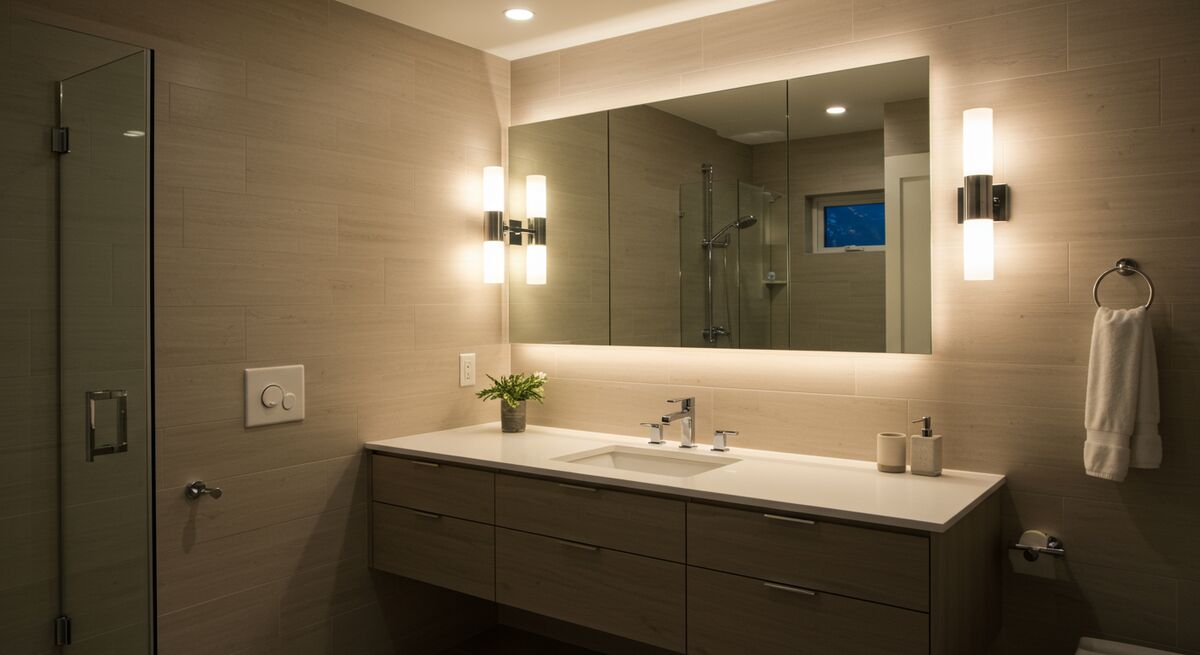
Bad bathroom lighting is one of the most common design mistakes, and good lighting is one of the cheapest upgrades you can make. If you're squinting at your reflection, applying makeup under harsh shadows, or bumbling around a dim shower, your lighting needs work. Here's how to get it right.
The Three Layers of Bathroom Lighting
Professional lighting designers use three layers that work together. You need all three for a bathroom that functions well and feels great.
1. Task Lighting (The Most Important)
Task lighting illuminates specific activities — primarily the vanity mirror area. This is where you shave, apply makeup, style hair, and perform grooming tasks. Good task lighting is bright, even, and shadow-free.
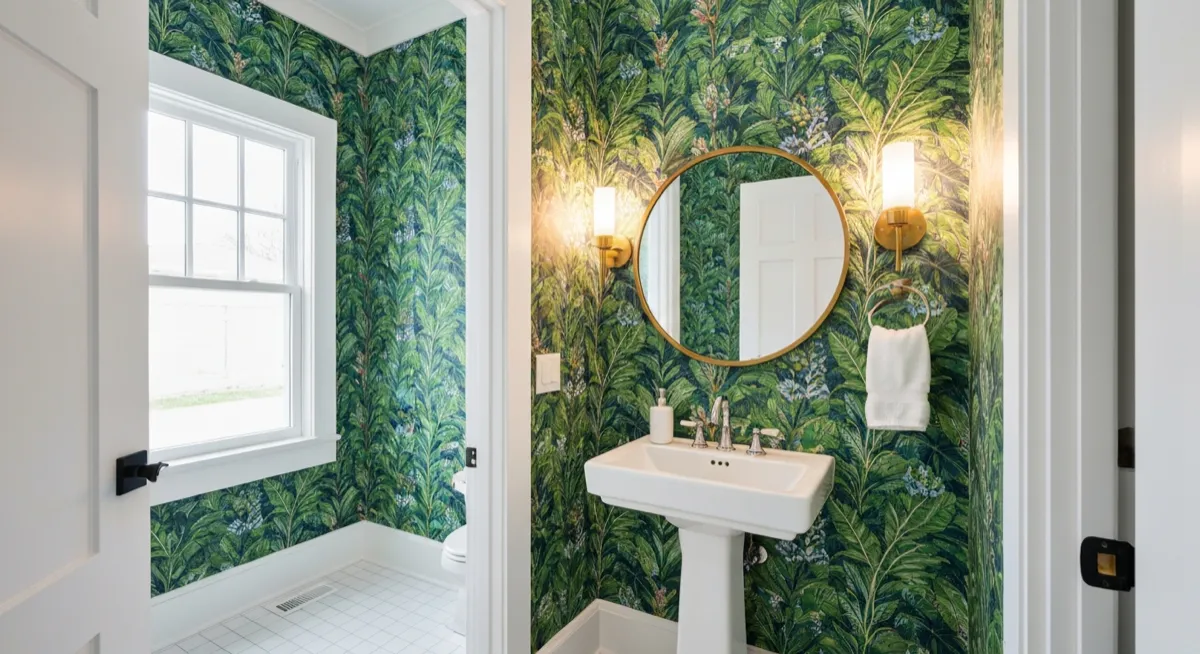
The golden rule: mount sconces on either side of the mirror at eye level (60-65 inches from floor to the center of the fixture). This lights your face from both sides, eliminating the harsh shadows that an overhead light creates. If wall sconces aren't possible, a linear LED fixture mounted above the mirror (at least as wide as the mirror) is the second-best option.
2. Ambient Lighting (General Illumination)
Ambient lighting fills the entire room with general light. Recessed ceiling lights (spaced every 4-5 feet) are the most common solution. Flush-mount ceiling fixtures work well in standard-height bathrooms. In a bathroom with high ceilings, a pendant or chandelier adds personality while providing ambient light.
Put ambient lights on a separate switch from task lights, and always use a dimmer. Bright ambient light is useful for cleaning; dimmed ambient light is essential for relaxing evening baths.
3. Accent Lighting (The Luxury Layer)
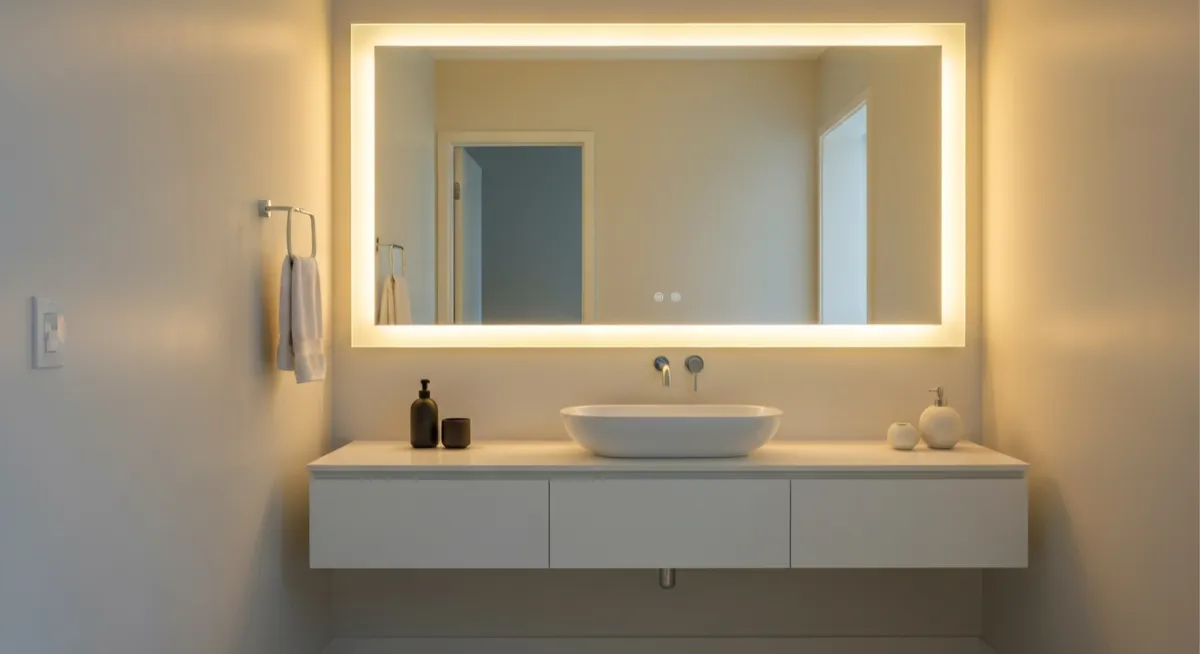
Accent lighting adds atmosphere and visual interest. LED strips under a floating vanity create a soft glow that makes the vanity appear to float. Backlit mirrors provide both task light and a halo effect. LED strip lighting in a shower niche adds a spa-like touch. Accent lighting makes a bathroom feel designed and intentional.
Shower and Tub Lighting
The shower needs its own dedicated light — a recessed waterproof fixture rated for wet locations (look for IP65 or higher rating). One fixture centered in the shower is usually sufficient. For a luxury touch, add a small recessed light inside shower niches to illuminate your products.
Over a freestanding tub, a pendant light or small chandelier creates a dramatic focal point. Ensure it's rated for damp locations and installed at the proper height (at least 8 feet from the floor to the bottom of the fixture to meet code).
Color Temperature Matters
The color temperature of your bulbs dramatically affects how the bathroom looks and feels. Warm white (2700-3000K) creates a cozy, flattering atmosphere and is best for residential bathrooms. Neutral white (3500-4000K) is slightly more energizing and shows colors more accurately. Cool white or daylight (5000K+) feels clinical and harsh in most bathroom settings.
Use the same color temperature throughout the entire bathroom for consistency. Mixing warm and cool bulbs creates a disjointed, uncomfortable feeling.
Common Lighting Mistakes
Single Overhead Light
The most common mistake. A single ceiling light or recessed can above the vanity creates harsh downward shadows under eyes, nose, and chin. You look terrible in the mirror and can't see well enough for grooming tasks.
Wrong Mirror Light Placement
A bar light across the top of the mirror is better than a single overhead but still creates shadows under the eyes. Side-mounted sconces are always the best option for vanity lighting.
No Dimmer Switches
Without dimmers, you're stuck with one brightness level. Full brightness at 6 AM when you're half asleep, full brightness during a relaxing bath. Dimmers cost $15-30 per switch and transform how the bathroom feels.
Insufficient Light in the Shower
Many bathrooms have no dedicated shower light, leaving you in shadow behind the shower curtain or glass. A single recessed wet-rated fixture solves this completely.
See the Difference Lighting Makes
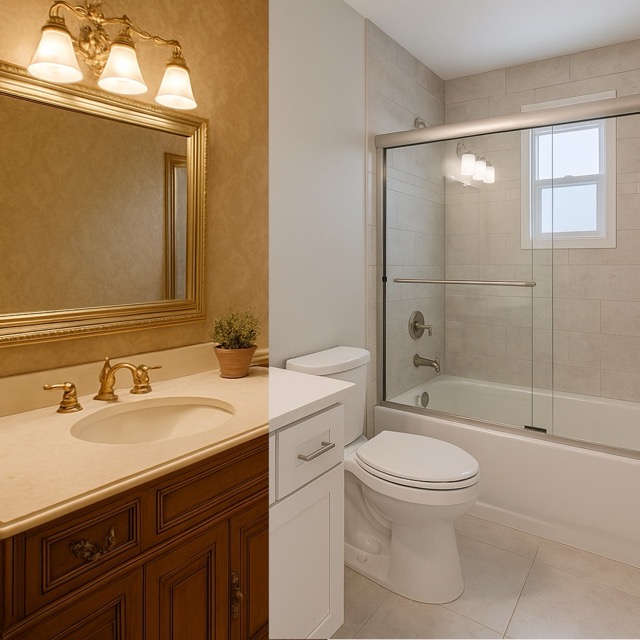
Good lighting transforms a bathroom as much as new tile or a new vanity. Upload a photo of your bathroom and see how different lighting designs and bathroom styles change the feeling of your space.
Frequently Asked Questions
What is the best lighting for a bathroom vanity?
How many lumens do I need in a bathroom?
What color temperature is best for bathroom lighting?
Visualize Your Dream Bathroom
Upload a photo of your current bathroom and see it transformed with AI. Try different styles, tiles, and fixtures instantly.
Start Designing Free