 AI Bathroom
 DIY Bathroom Remodel: What You Can (and Can't) Do Yourself
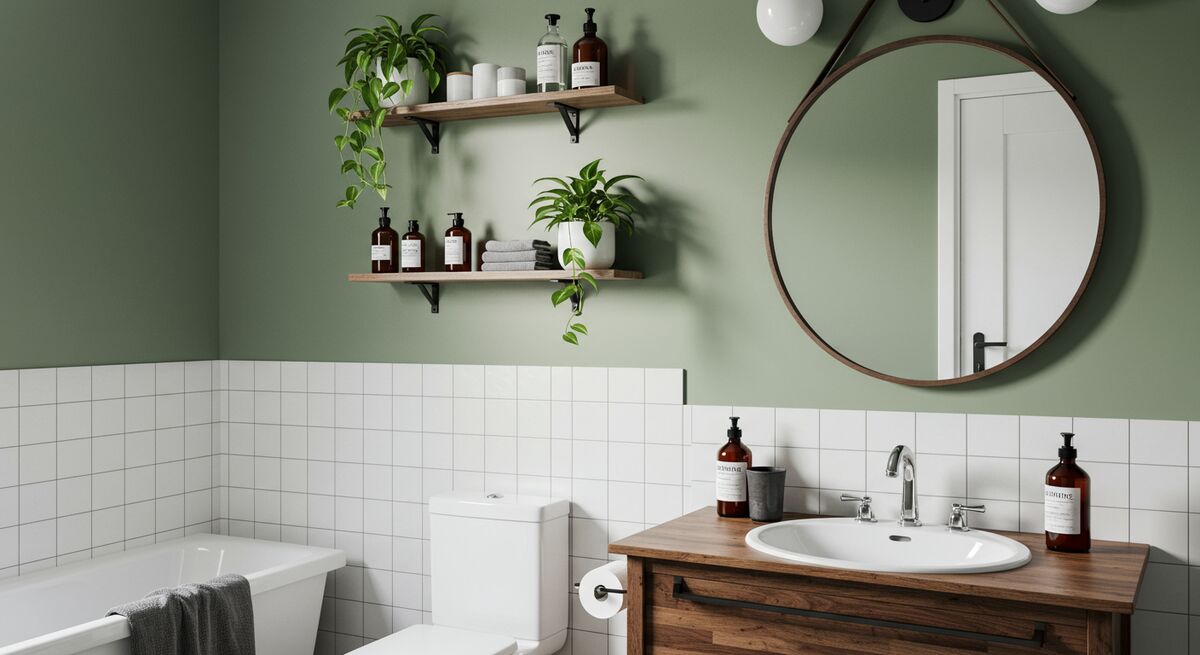
A DIY bathroom remodel can save you thousands, but only if you know which projects to tackle yourself and which to leave to the pros. This guide breaks down every common bathroom project by difficulty level so you can plan a smart renovation.
Easy DIY Projects (Beginner-Friendly)
Painting Walls and Ceiling
The highest-impact, lowest-cost upgrade you can make. Use a mildew-resistant bathroom paint with a satin or semi-gloss finish. Proper prep (cleaning, sanding, priming) matters more than expensive paint. Budget 1-2 days for a full bathroom.
Replacing Hardware and Accessories
Swapping cabinet pulls, towel bars, toilet paper holders, robe hooks, and shower curtain rods is pure cosmetic impact with almost no skill required. Match all hardware to one finish (matte black, brushed nickel, or brass) for a cohesive look. A $50-150 investment that makes the whole room feel updated.
Updating the Mirror
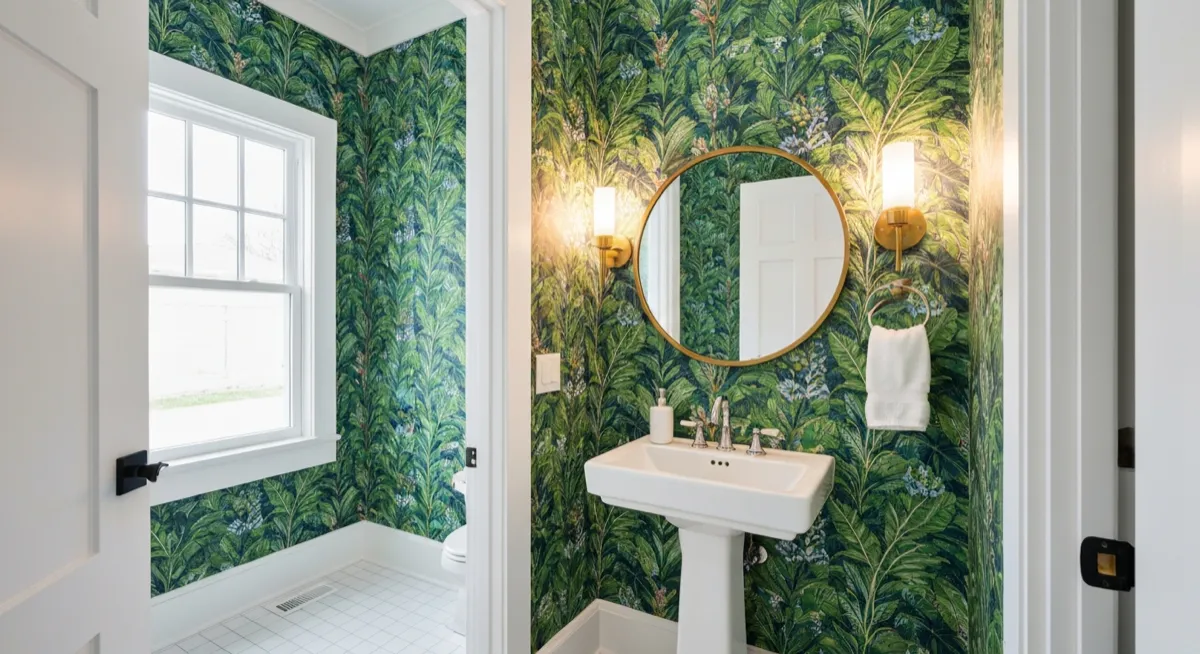
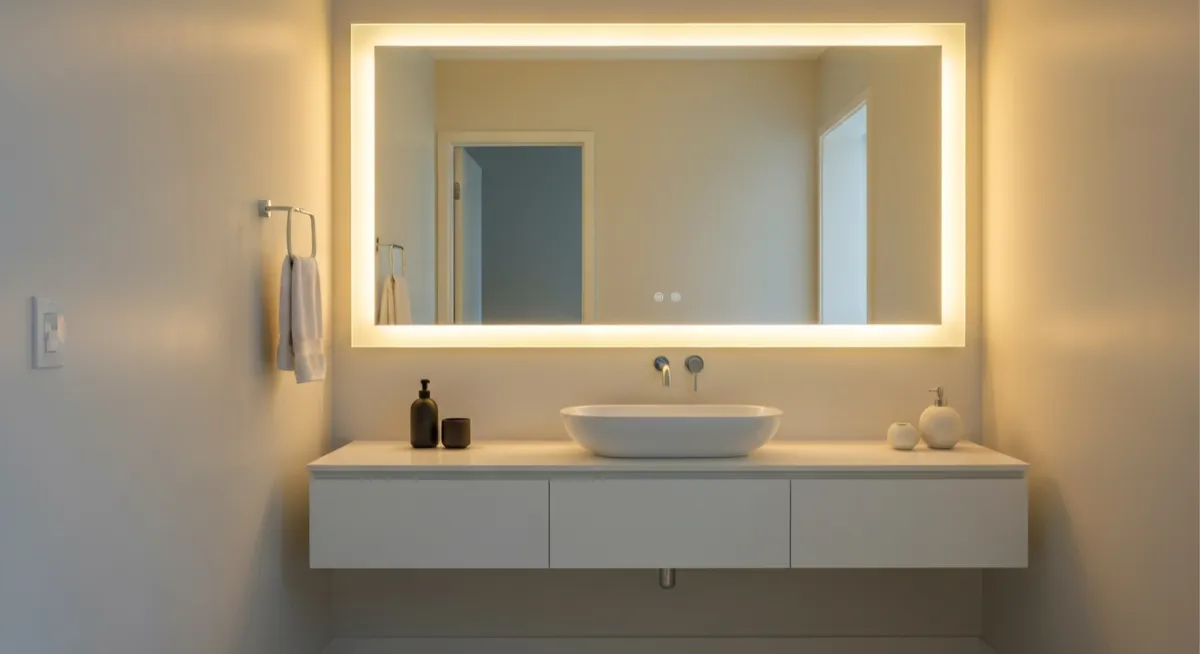
Removing an old builder-grade mirror and hanging a stylish framed mirror is a quick afternoon project. Measure carefully, use appropriate wall anchors, and ensure it's centered over the vanity. A round or arched mirror instantly modernizes any bathroom.
Installing a New Showerhead
Most showerheads simply unscrew and replace. Wrap the threads with plumber's tape, hand-tighten the new head, and you're done. Upgrade to a rainfall showerhead or handheld combo for a spa-like experience. Takes 15 minutes.
Replacing the Toilet Seat
A heated, slow-close toilet seat is a luxury upgrade that takes 10 minutes to install. Just unbolt the old seat and bolt on the new one. Soft-close seats eliminate slamming and cost $30-80.
Moderate DIY Projects (Some Experience Needed)
Installing a New Vanity
Replacing a vanity involves disconnecting water supply lines, removing the old unit, and installing the new one. If the new vanity fits in the same footprint with the same plumbing locations, this is a manageable weekend project. You'll need basic plumbing connections (compression fittings or braided supply lines) and a level.
Laying Floor Tile
Tile installation is learnable but requires patience and the right tools. Start with a clean, level subfloor. Use a tile saw (rent one for $50-75/day), quality thin-set mortar, and tile spacers. Large format tiles are actually easier for beginners because there are fewer cuts and grout lines. Plan 2-3 days for a typical bathroom floor.
Re-Grouting and Caulking
Old grout can be removed with a grout saw or oscillating tool, then replaced with fresh grout. New caulk around the tub, shower, and base of the toilet makes everything look clean. This is tedious but straightforward work that dramatically refreshes a tired bathroom.
Installing a New Light Fixture
If you're replacing an existing fixture (not adding new wiring), this is a moderate DIY project. Turn off the breaker, remove the old fixture, connect the new wires (matching color to color), and mount. Vanity sconces at eye level are the biggest lighting upgrade you can make.
Adding a Tile Backsplash
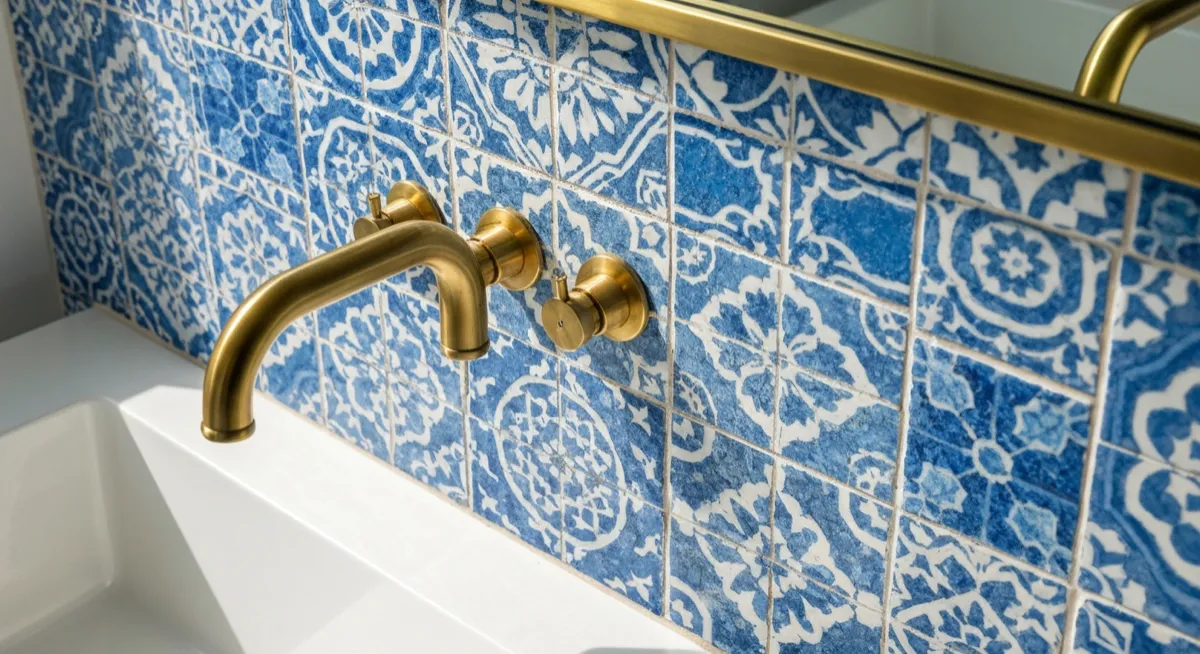
A small backsplash behind the vanity is a great first tiling project. The area is small, cuts are minimal, and peel-and-stick tile options make it even easier. Even traditional tile with thin-set is manageable here.
Leave to the Professionals
Plumbing Rough-In
Moving drain lines, rerouting supply pipes, or adding new plumbing connections requires permits, knowledge of building codes, and specialized tools. A bad plumbing job can cause leaks inside walls that lead to thousands in water damage.
Electrical Work
Adding new circuits, moving outlets, or installing GFCI protection near water requires a licensed electrician in most jurisdictions. Bathroom electrical work is safety-critical and must meet code.
Shower Waterproofing
The waterproof membrane behind shower tile is the most important part of any shower installation. If this fails, water penetrates the wall, causing mold and structural damage. Unless you have experience with systems like Kerdi or RedGard, hire a professional tiler.
Shower Glass Installation
Frameless glass shower enclosures require precise measurements and professional installation. The glass is heavy, expensive, and must be perfectly plumb. A mistake means a shattered $1,000+ glass panel.
The Smart DIY Strategy
Do the cosmetic work yourself (paint, fixtures, hardware, mirror, accessories) and hire pros for plumbing, electrical, and waterproofing. This hybrid approach typically saves 30-40% compared to a fully contracted remodel while ensuring the critical systems are done right.
Plan Your DIY Remodel with AI
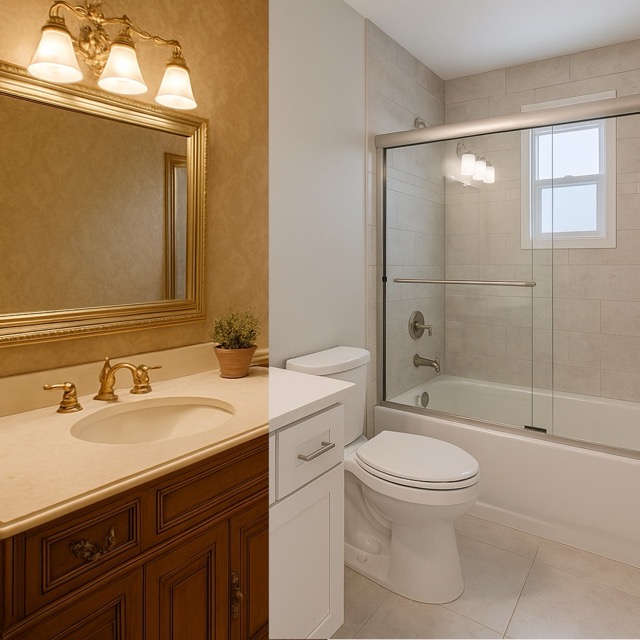
Before you start, visualize different designs in your actual bathroom. Upload a photo to our AI tool and experiment with styles, colors, and layouts. Know exactly what you want before you buy a single tile.
Frequently Asked Questions
Can I remodel a bathroom myself?
How much can I save with a DIY bathroom remodel?
What bathroom renovation should I not DIY?
Visualize Your Dream Bathroom
Upload a photo of your current bathroom and see it transformed with AI. Try different styles, tiles, and fixtures instantly.
Start Designing Free