 AI Bathroom
 Bathroom Vanity Buying Guide: Sizes, Styles & Materials
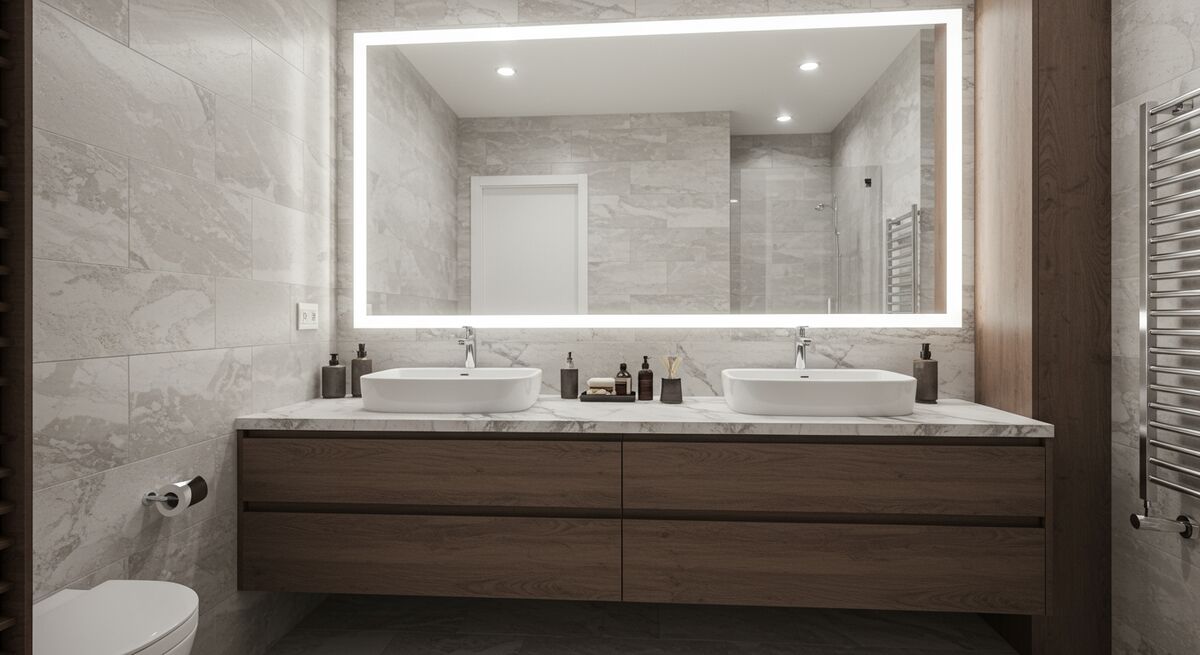
The vanity is the centerpiece of any bathroom. It sets the style, provides essential storage, and is the fixture you interact with most. Choosing the right vanity involves balancing size, style, material, and budget. This guide covers everything.
Vanity Types
Floating (Wall-Mounted) Vanities
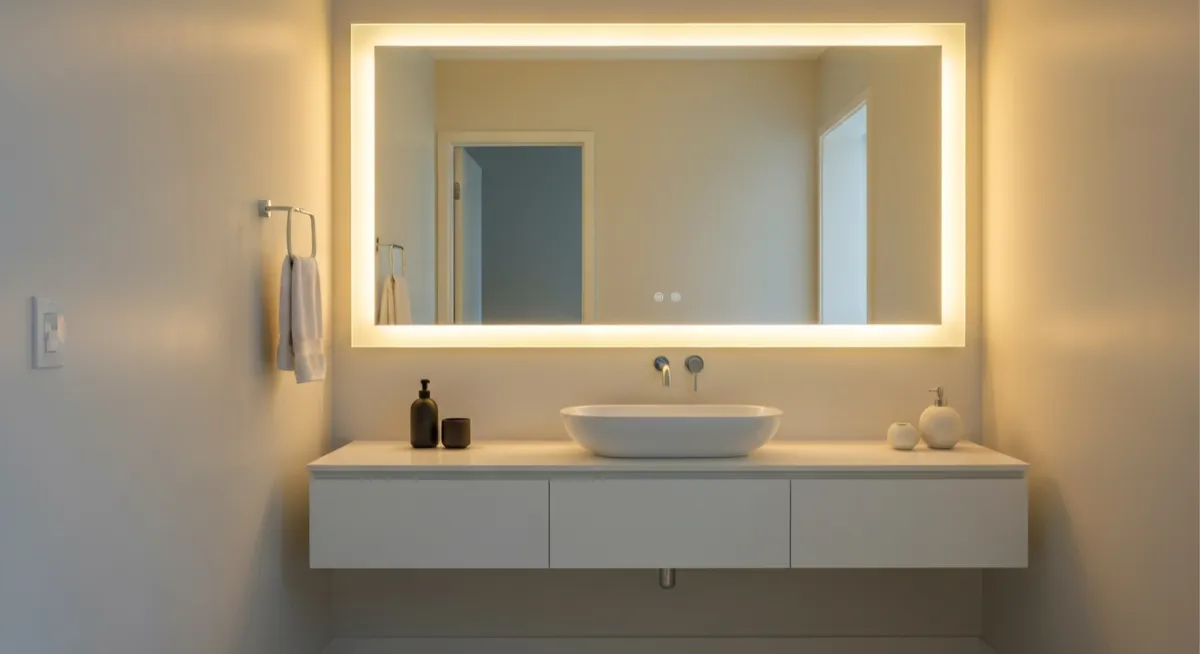
Mounted to the wall with no legs touching the floor. Floating vanities create a sense of openness by showing floor space underneath. They make rooms look bigger, allow easy floor cleaning, and feel distinctly modern. The height is adjustable during installation. Best for modern, minimalist, and Scandinavian styles.
Freestanding Vanities
Traditional vanities that sit on the floor like furniture. They're easier to install (no structural wall mounting needed), offer maximum storage, and come in the widest range of styles from traditional to modern. Best for classic, transitional, and farmhouse styles.
Vessel Sink Vanities
The sink sits on top of the counter rather than below or recessed into it. Vessel sinks are striking design statements but less practical for daily use — they sit higher, can splash more, and the exterior needs regular cleaning. Best for powder rooms and guest bathrooms where style trumps function.
Choosing the Right Size
Small Bathroom (24-30 inches)
A 24-inch vanity is the minimum for a functional bathroom. At this size, look for designs that maximize storage with drawers rather than doors. A 30-inch vanity gives you noticeably more counter space while still fitting compact bathrooms.
Standard Bathroom (36-48 inches)
The most common vanity sizes for primary and secondary bathrooms. A 36-inch vanity balances counter space and storage well. A 48-inch vanity feels generous in a standard bathroom and provides ample room for daily routines.
Large or Master Bathroom (60-72 inches)
Double vanities start at 60 inches. A 72-inch double vanity is the standard for master bathrooms, giving each person their own sink, mirror, and counter space. Ensure you have adequate wall space and plumbing for two sinks.
Materials and Durability
Solid Wood
Oak, maple, and walnut are durable and beautiful. Solid wood vanities last decades and develop character with age. They must be properly sealed for bathroom humidity. Oak is the most popular for its grain pattern and durability.
Plywood with Veneer
A cost-effective alternative to solid wood. Quality plywood vanities with a real wood veneer look nearly identical to solid wood at 40-60% of the price. Ensure the veneer is sealed against moisture.
MDF (Medium-Density Fiberboard)
The budget option. MDF vanities are smooth, paintable, and affordable. However, they're vulnerable to water damage if the finish is compromised. Not recommended for high-humidity bathrooms without excellent ventilation.
Countertop Options
Quartz
The top choice for bathroom vanities. Engineered quartz is non-porous, never needs sealing, resists stains, and comes in hundreds of colors and patterns including convincing marble looks. It's the best balance of beauty, durability, and maintenance.
Marble
Nothing matches the elegance of real marble. Calacatta and Carrara marble are classic choices that elevate any bathroom. However, marble is porous, stains with certain products, and requires regular sealing. Best for those who appreciate the natural aging process.
Solid Surface (Corian)
Affordable, seamless, and repairable. Solid surface countertops can integrate the sink for a smooth, easy-to-clean look. Scratches can be sanded out. Available in many colors but lacks the natural depth of stone.
Sink Types
Undermount sinks create a clean line and make counter cleaning easy. Drop-in sinks are the easiest to install and replace. Integrated sinks (part of the countertop) eliminate seams where grime collects. Choose based on your countertop material and desired aesthetic.
Try Different Vanity Styles
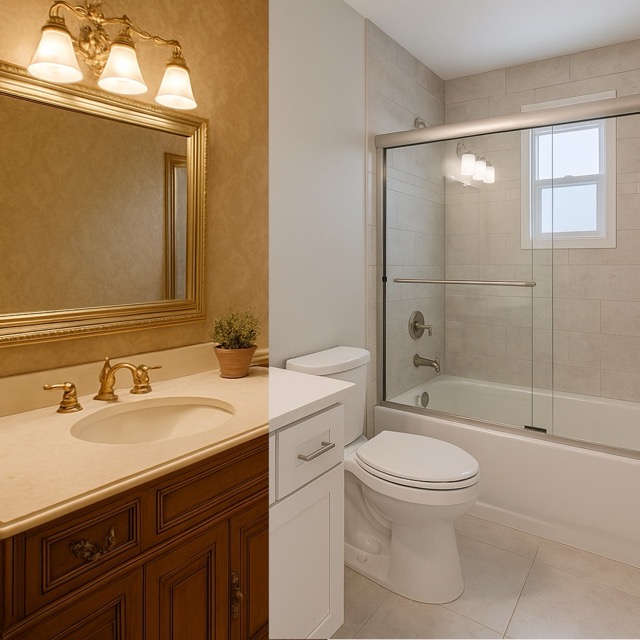
Not sure which style fits your bathroom? Upload a photo and use our AI to visualize different vanity and bathroom styles in your actual space. Compare modern floating vs. classic freestanding looks before you shop.
Frequently Asked Questions
What is the standard bathroom vanity height?
Should I get a single or double vanity?
What is the best countertop material for a bathroom vanity?
Visualize Your Dream Bathroom
Upload a photo of your current bathroom and see it transformed with AI. Try different styles, tiles, and fixtures instantly.
Start Designing Free